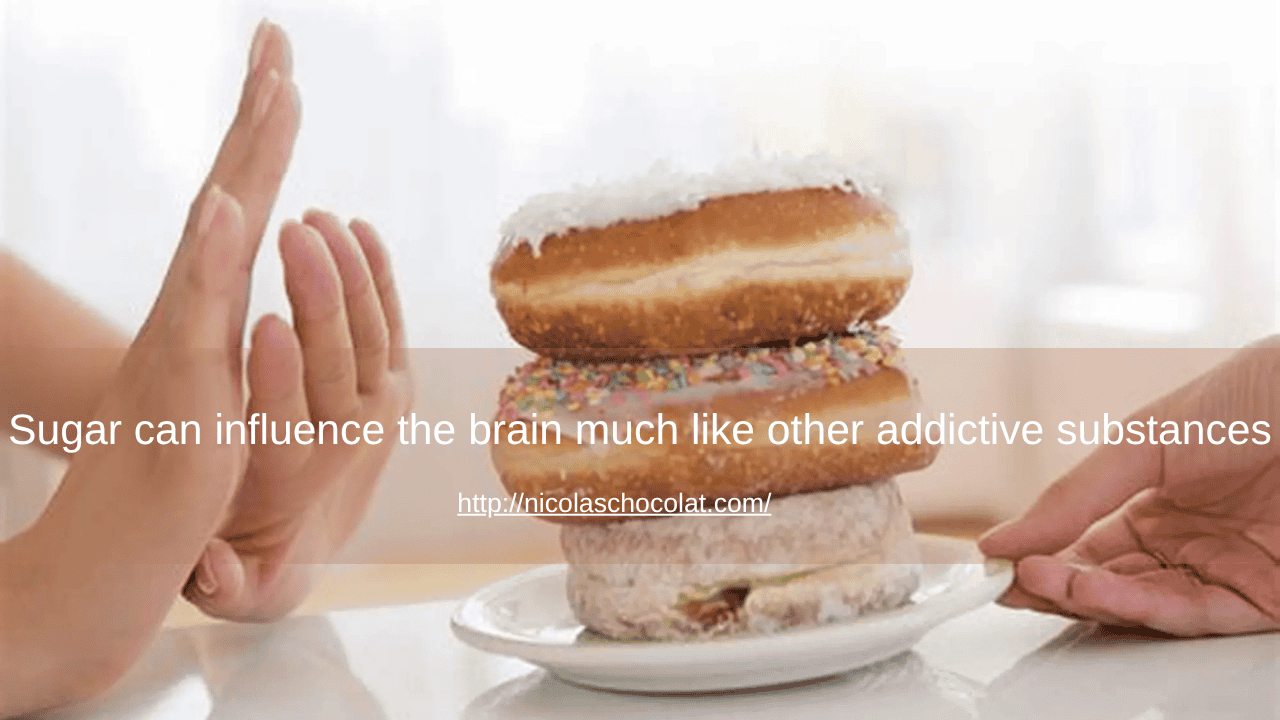
 Most people have experienced a craving for something sweet—a cookie after lunch, a late-night bowl of ice cream, or a sugary drink for a quick pick-me-up. But when those cravings feel uncontrollable or constant, it might be more than a simple sweet tooth. Sugar can influence the brain much like other addictive substances, creating a cycle of desire, satisfaction, and crash that keeps you coming back for more. At Nicolas Chocolat, we understand that sugar addiction is not just a habit—it is a complex emotional and physiological challenge that can deeply affect mental and physical well-being.
The Science Behind Sugar Addiction
Sugar stimulates the brain’s reward system, releasing dopamine—the same “feel-good” chemical activated by drugs, alcohol, or gambling. This neurological response reinforces the desire to keep consuming sugar, even when you know it’s not serving your health. Over time, the brain begins to depend on that dopamine rush, making it harder to resist sugary foods.
The problem intensifies because sugar also affects the body’s energy regulation. After a sugar spike, blood glucose levels crash, leading to fatigue, irritability, and stronger cravings for more sugar. This biological cycle traps many people in a loop that feels impossible to break without intentional support and recovery strategies.
How Emotional Triggers Feed the Sweet Craving
Beyond biology, sugar often becomes an emotional crutch. Many people turn to sweets as comfort during stress, sadness, or loneliness. Emotional eating can momentarily numb negative feelings, but it rarely addresses the root cause of emotional pain.
At Nicolas Chocolat, our clinicians and counselors often see how unresolved emotional wounds, trauma, or stress can contribute to unhealthy relationships with food and substances. Recovery, therefore, is not only about changing eating habits but also about healing emotional patterns that drive dependence.
Recognizing the Signs of Sugar Dependence
If you find yourself asking why you can’t stop eating sweets, you’re not alone. Recognizing the signs is the first step toward change.
1. Persistent Cravings and Loss of Control
You often crave sugar even when you’re not hungry, and once you start, it’s difficult to stop.
2. Mood Swings and Fatigue
Your energy levels rise quickly after consuming sugar but crash shortly after, leaving you moody or tired.
3. Emotional Eating Patterns
You use sugar to manage stress, sadness, or boredom instead of addressing the underlying emotions.
4. Withdrawal Symptoms When Cutting Back
When you try to reduce sugar, you may feel irritable, foggy, or anxious, signaling dependence.
Healing the Mind and Body Through Holistic Recovery
Breaking free from sugar addiction requires more than willpower. It involves understanding and healing the body, mind, and spirit. At Nicolas Chocolat, we believe in treating the whole person. Our holistic and faith-based approach integrates nutritional counseling, mindfulness practices, emotional therapy, and spiritual growth to help clients achieve lasting recovery.
By supporting the body through balanced nutrition and stabilizing the mind with healthy coping mechanisms, individuals can rewire their relationship with food. Over time, this process restores clarity, energy, and emotional resilience.
Practical Strategies to Reduce Sugar Cravings
Here are a few expert-backed strategies that can help you start your journey toward freedom:
-
Eat balanced meals: Include protein, healthy fats, and fiber to stabilize blood sugar and reduce cravings.
-
Stay hydrated: Dehydration often masks itself as hunger or sugar craving.
-
Practice mindfulness: Pay attention to when and why you crave sweets. Awareness helps break impulsive eating habits.
-
Seek emotional support: Talking to a counselor or joining a recovery group can help address emotional triggers tied to sugar dependence.
-
Reconnect spiritually: Faith-based practices such as prayer or meditation can provide grounding and strength during challenging moments.
Breaking the Cycle and Finding Freedom
Recovery from sugar addiction is about more than eliminating sweets—it’s about regaining control, balance, and peace of mind. With the right support, you can replace temporary sugar highs with genuine, lasting fulfillment.
At Nicolas Chocolat, we help individuals break free from addictive cycles through compassionate care, holistic therapies, and evidence-based treatment. Whether through inpatient or outpatient programs, we provide a safe space to heal and rediscover your strength.
If you’re ready to take the next step toward a healthier, more empowered life, reach out to Nicolas Chocolat today. You deserve more than temporary comfort—you deserve lasting recovery and a renewed sense of wholeness.