 Sugar cravings can feel overwhelming, especially when they show up daily and seem difficult to control. What starts as an occasional treat can slowly turn into a habit that influences energy levels, mood, and emotional well-being. If you find yourself constantly thinking about sweets or relying on sugar to get through stressful moments, you are not alone. Many people experience this cycle, and the good news is that it can be changed with the right support and understanding.
At Nicolas Chocolat, we recognize that patterns around food and cravings are often connected to deeper emotional and psychological needs. Our approach to addiction recovery and mental health treatment is compassionate, individualized, and holistic. Through inpatient and outpatient care, we help individuals build healthier habits that support long-term stability, emotional resilience, and overall wellness.
Understanding the Cycle of Sugar Cravings
Sugar affects the brain’s reward system by triggering dopamine release, which creates feelings of pleasure and comfort. Over time, repeated exposure can reinforce this response, making cravings feel automatic and difficult to resist.
However, cravings are not only biological. Emotional stress, fatigue, anxiety, and even boredom can intensify the desire for sugar. Many people use sweets as a way to self-soothe or cope with emotional discomfort. This creates a cycle where sugar provides temporary relief but often leads to energy crashes and renewed cravings.
Understanding this cycle is the first step toward breaking it. Awareness allows you to respond with intention rather than habit.
Signs That Sugar May Be Affecting Your Daily Life
It can be helpful to reflect on whether sugar is influencing your behavior in ways that feel difficult to manage. Some common signs include:
- Frequent and intense cravings for sugary foods
- Eating sweets even when you are not physically hungry
- Using sugar to manage stress, emotions, or fatigue
- Feeling irritable or low in energy when trying to reduce sugar
- Experiencing guilt or frustration after eating sweets
These patterns do not reflect a lack of discipline. Instead, they often signal that your body and emotions are seeking balance and support.
From Awareness to Action: Building Healthier Habits
Transitioning from sugar cravings to healthier habits is a gradual process. It requires patience, self-compassion, and practical strategies that support both the body and mind.
1. Identify Emotional Triggers
Start by noticing when cravings occur. Are they linked to stress, certain environments, or emotional states? Journaling can help you identify patterns and understand what drives your behavior.
2. Stabilize Blood Sugar Through Nutrition
Balanced meals that include protein, healthy fats, and fiber help regulate blood sugar levels. This reduces spikes and crashes that often lead to sugar cravings. Consistency in meals is key to maintaining stable energy.
3. Replace, Do Not Restrict
Instead of focusing only on what to remove, focus on what to add. Fresh fruit, nuts, yogurt, and whole foods can provide natural sweetness and satisfaction without triggering the same addictive cycle.
4. Develop Healthy Coping Strategies
Sugar is often used to manage emotions. Building alternative coping tools such as mindfulness, deep breathing, physical activity, or creative expression can reduce reliance on food for emotional comfort.
5. Seek Professional Support
If sugar cravings feel persistent or tied to emotional distress, professional guidance can make a significant difference. At Nicolas Chocolat, we offer individualized treatment plans that integrate mental health care, addiction recovery services, and holistic support. Our inpatient and outpatient programs are designed to meet each person where they are in their journey.
The Role of Holistic and Individualized Care
True recovery involves more than changing eating habits. It requires addressing the emotional, psychological, and sometimes spiritual factors that influence behavior. Holistic care focuses on the whole person, helping individuals rebuild balance in all areas of life.
Faith-based support is also available for those who wish to incorporate spiritual guidance into their recovery process. This personalized approach ensures that treatment aligns with each individual’s values and needs.
Moving Toward Lasting Change
Breaking free from sugar cravings is not about perfection. It is about progress, awareness, and learning new ways to care for yourself. As healthier habits develop, energy levels improve, emotional stability increases, and the cycle of cravings begins to weaken.
At Nicolas Chocolat, we are committed to supporting individuals through every stage of recovery with compassion and expertise. If sugar cravings are affecting your daily life, reaching out for help can be the first step toward meaningful change.
Healthy habits are possible, and you do not have to build them alone.
 A sweet tooth is often seen as harmless. Many people enjoy desserts, chocolate, or sugary snacks as part of everyday life without concern. However, when cravings begin to feel frequent, intense, or emotionally driven, sugar can move beyond simple preference and start to influence mood, energy, and behavior. If you have ever felt like you cannot easily control your sugar intake, it may be time to take a closer look at what is really happening beneath the surface.
 Sugar cravings can feel sudden, intense, and difficult to ignore. One moment you feel in control, and the next you are reaching for sweets without fully thinking about it. For many people, this pattern repeats daily and can affect energy, mood, sleep, and overall well-being. If you have ever wondered why sweet cravings feel so powerful, you are not alone. The good news is that there are practical, compassionate ways to break the cycle and regain control.
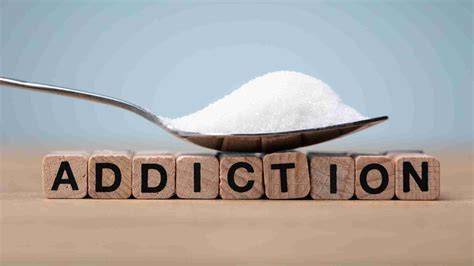 Sugar is a part of everyday life. From morning coffee to dessert after dinner, many of us enjoy sweets without a second thought. But for some, the relationship with sugar can become more than casual indulgence. When cravings feel uncontrollable, interfere with daily routines, or leave you feeling guilty or fatigued, it may indicate that sugar is having a deeper impact on your health and well-being. Understanding the signs of sugar addiction is the first step toward regaining control and restoring balance in your life.