 For many people, sugar starts as a simple pleasure—a cookie after lunch, a candy bar during a long day, or a sweet treat to celebrate special moments. But for some, these indulgences evolve into a cycle of emotional dependence, where sugar becomes more than a treat: it becomes a coping mechanism. At Nicolas Chocolat, we understand that sugar addiction is often rooted in emotional and psychological patterns, and addressing these underlying issues is key to achieving lasting recovery.
Understanding Emotional Sugar Addiction
Sugar addiction is not just about willpower or self-control. When consumed, sugar triggers the brain’s reward system, releasing dopamine, which creates pleasure and comfort. Over time, the brain begins to crave this response, particularly in moments of stress, sadness, or anxiety. Emotional sugar addiction develops when sweets are used consistently as a way to manage feelings, rather than addressing them directly.
Individuals struggling with emotional sugar addiction may notice that their cravings are tied to specific moods or situations. Emotional reliance on sugar can perpetuate guilt, shame, and frustration, creating a cycle that is difficult to break without guidance and support.
Common Emotional Triggers
Stress and Anxiety
High-stress situations often lead people to reach for sugary foods as a quick form of comfort. While sugar can temporarily soothe the nervous system, it does not resolve the underlying stress, and dependence can increase over time.
Loneliness and Boredom
For some, sugar provides company during lonely moments or entertainment during times of boredom. The temporary pleasure of sweets can mask feelings of isolation, creating a false sense of relief.
Emotional Pain or Trauma
Past trauma, unresolved emotional pain, or difficult life experiences can intensify sugar cravings. Sweets may become a way to self-soothe or numb uncomfortable feelings, making it harder to develop healthier coping strategies.
Holistic Approaches to Overcoming Emotional Sugar Addiction
Mindful Eating and Awareness
Awareness is the first step toward change. Tracking cravings, emotional states, and triggers helps individuals recognize patterns and make conscious choices instead of reacting automatically. Mindful eating encourages tuning into hunger cues and emotional needs, helping break the cycle of emotional sugar consumption.
Balanced Nutrition and Lifestyle Changes
Stable blood sugar and nutrient-rich meals reduce physical cravings and support emotional stability. Incorporating protein, fiber, and healthy fats, along with regular exercise and quality sleep, strengthens the body and mind, making it easier to manage cravings.
Emotional and Spiritual Support
Because emotional sugar addiction is tied to underlying psychological and spiritual needs, addressing these areas is essential. At Nicolas Chocolat, our programs integrate therapy, counseling, and faith-based practices to help clients process emotions, build resilience, and develop healthier coping strategies. Inpatient and outpatient care provide structured environments for healing, accountability, and sustained support.
Breaking Free from the Cycle
Recovery from emotional sugar addiction involves understanding the root causes, addressing both emotional and physical triggers, and building a supportive routine. Holistic strategies—including mindful awareness, nutritional support, emotional therapy, and spiritual guidance—help individuals regain control over their cravings and reclaim emotional balance.
From Emotional Dependence to Empowerment
Sugar addiction is rarely just about food—it is often a reflection of unmet emotional needs. By addressing the underlying emotional and psychological roots of sugar dependence, you can achieve lasting recovery and freedom.
At Nicolas Chocolat, we offer compassionate, individualized, and faith-based programs designed to support mind, body, and spirit. If emotional sugar cravings are impacting your life, reach out today. Our team will guide you through a personalized journey from dependence to empowerment, helping you build a healthier relationship with food, emotions, and yourself.
 For many, a craving for something sweet feels like a minor indulgence. However, when those urges become frequent, overwhelming, and seemingly uncontrollable, they can begin to feel like an “invisible weight” on your health and happiness. At nicolaschocolat.com, we approach the struggle with sugar not as a lack of willpower, but as a complex interplay between brain chemistry and emotional health. By treating sugar dependency with the same professional integrity and compassion as any other addiction recovery process, we can help you uncover the root causes of these cravings and provide a “living solution” for a more balanced, vibrant life.
 For many, sugar is more than a treat—it is a source of comfort, energy, and emotional escape. Over time, this dependence can evolve into an addictive cycle that affects physical health, emotional well-being, and daily life. While traditional methods often focus solely on diet and behavior, a faith-based recovery approach addresses the mind, body, and spirit together, offering a holistic path to freedom. At Nicolas Chocolat, we combine addiction recovery services, mental health support, and individualized faith-based care to help clients overcome sweet addiction and reclaim control over their lives.
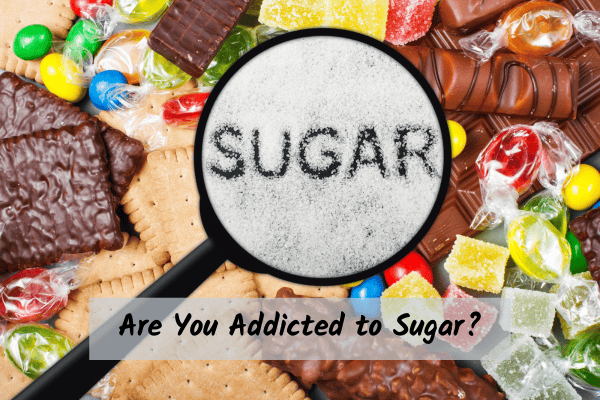 For many people, sugar is more than just a treat. It is a source of comfort, energy, and even emotional relief. However, when candy and sweets begin to control your daily choices, mood, and health, it may be a sign of sugar dependence. Breaking free from this habit requires more than willpower—it calls for a holistic, compassionate approach that addresses both the body and mind. At Nicolas Chocolat, we help individuals navigate sugar addiction with evidence-based care, faith-based guidance, and individualized support for lasting recovery.