
Monthly Archives: November 2025

From Sugar Fix to Freedom: A Step-by-Step Guide for Sweet Addiction Recovery

For many people, sugar starts as a simple treat but gradually becomes something more powerful. A cookie after lunch, a soda during the afternoon slump, or late-night chocolate can quickly evolve into a cycle of cravings that feels impossible to escape. Sugar affects the brain’s reward system much like addictive substances, creating dependence that impacts physical health, mood, and emotional wellbeing. At Nicolas Chocolat, we understand that breaking free from sugar addiction requires more than willpower. Our holistic, faith-based, and individualized approach helps clients reclaim control, heal underlying issues, and achieve lasting freedom.


Step 1: Recognize the Addiction

Understanding the Signs

The first step toward recovery is acknowledging that sugar has become a problem. Signs of sugar addiction may include:

  • Constant cravings or thoughts about sweets

  • Loss of control after consuming sugary foods

  • Using sugar to cope with stress or emotions

  • Mood swings or fatigue related to sugar consumption

  • Difficulty reducing sugar intake despite negative consequences

Recognizing these patterns is critical. Awareness allows you to approach recovery intentionally and set realistic goals.


Step 2: Identify Triggers

Emotional and Environmental Influences

Sugar cravings are rarely just about taste. Emotional triggers such as stress, loneliness, or anxiety often drive consumption. Environmental cues, like having candy at your desk or seeing sweets advertised, can also prompt cravings.

Journaling your triggers and moods or practicing mindful eating can help identify the situations or feelings that fuel sugar dependence. Understanding these triggers is key to developing strategies that replace unhealthy habits with healthier choices.


Step 3: Rebalance Nutrition

Stabilizing Blood Sugar

A balanced diet can dramatically reduce sugar cravings. Meals rich in protein, fiber, and healthy fats provide steady energy and reduce the highs and lows that reinforce sugar dependence. Whole foods, fruits, vegetables, and complex carbohydrates not only nourish the body but also help the brain break free from addictive reward loops.


Step 4: Develop Healthy Coping Mechanisms

Emotional and Spiritual Support

Since sugar often functions as an emotional crutch, replacing it with healthier coping tools is essential. Activities such as mindfulness, prayer, meditation, or physical exercise can help regulate emotions naturally. At Nicolas Chocolat, our programs integrate mental health support and faith-based guidance, helping clients address the root causes of dependence while strengthening resilience.


Step 5: Build Accountability and Community

Inpatient and Outpatient Support

Recovery is rarely successful in isolation. Structured programs offer accountability, guidance, and a supportive community of individuals facing similar challenges. Whether through inpatient or outpatient care, clients at Nicolas Chocolat receive individualized attention and ongoing encouragement, creating a strong foundation for lasting change.


Step 6: Embrace a Holistic Lifestyle

Beyond addressing cravings, holistic recovery focuses on nurturing mind, body, and spirit. Adequate sleep, stress management, spiritual practices, and balanced nutrition all contribute to overall well-being. Over time, these practices help clients maintain control over their cravings and enjoy a sustainable, healthier lifestyle.


From Craving to Clarity

Breaking free from sugar addiction is not about restriction—it is about empowerment. By understanding the signs, addressing triggers, nourishing the body, and building emotional and spiritual resilience, you can move from dependency to freedom.

At Nicolas Chocolat, we offer compassionate, individualized, and holistic care to help clients overcome sugar addiction and regain control of their lives. If you are ready to transform your relationship with food and reclaim your health, reach out today. Your journey from sugar fix to freedom starts with one intentional step.
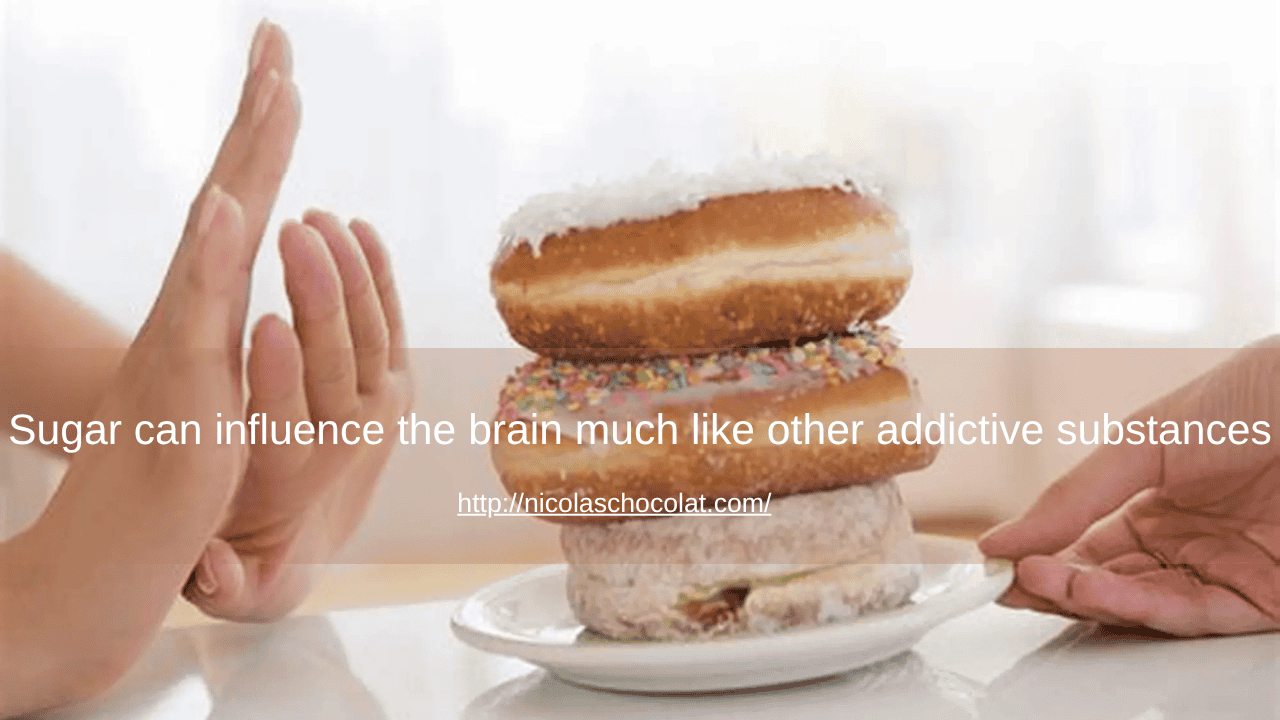
Why the Sweet Craving Never Stops: Understanding Sugar Addiction and Recovery

Most people have experienced a craving for something sweet—a cookie after lunch, a late-night bowl of ice cream, or a sugary drink for a quick pick-me-up. But when those cravings feel uncontrollable or constant, it might be more than a simple sweet tooth. Sugar can influence the brain much like other addictive substances, creating a cycle of desire, satisfaction, and crash that keeps you coming back for more. At Nicolas Chocolat, we understand that sugar addiction is not just a habit—it is a complex emotional and physiological challenge that can deeply affect mental and physical well-being.


The Science Behind Sugar Addiction

Sugar stimulates the brain’s reward system, releasing dopamine—the same “feel-good” chemical activated by drugs, alcohol, or gambling. This neurological response reinforces the desire to keep consuming sugar, even when you know it’s not serving your health. Over time, the brain begins to depend on that dopamine rush, making it harder to resist sugary foods.

The problem intensifies because sugar also affects the body’s energy regulation. After a sugar spike, blood glucose levels crash, leading to fatigue, irritability, and stronger cravings for more sugar. This biological cycle traps many people in a loop that feels impossible to break without intentional support and recovery strategies.


How Emotional Triggers Feed the Sweet Craving

Beyond biology, sugar often becomes an emotional crutch. Many people turn to sweets as comfort during stress, sadness, or loneliness. Emotional eating can momentarily numb negative feelings, but it rarely addresses the root cause of emotional pain.

At Nicolas Chocolat, our clinicians and counselors often see how unresolved emotional wounds, trauma, or stress can contribute to unhealthy relationships with food and substances. Recovery, therefore, is not only about changing eating habits but also about healing emotional patterns that drive dependence.


Recognizing the Signs of Sugar Dependence

If you find yourself asking why you can’t stop eating sweets, you’re not alone. Recognizing the signs is the first step toward change.

1. Persistent Cravings and Loss of Control

You often crave sugar even when you’re not hungry, and once you start, it’s difficult to stop.

2. Mood Swings and Fatigue

Your energy levels rise quickly after consuming sugar but crash shortly after, leaving you moody or tired.

3. Emotional Eating Patterns

You use sugar to manage stress, sadness, or boredom instead of addressing the underlying emotions.

4. Withdrawal Symptoms When Cutting Back

When you try to reduce sugar, you may feel irritable, foggy, or anxious, signaling dependence.


Healing the Mind and Body Through Holistic Recovery

Breaking free from sugar addiction requires more than willpower. It involves understanding and healing the body, mind, and spirit. At Nicolas Chocolat, we believe in treating the whole person. Our holistic and faith-based approach integrates nutritional counseling, mindfulness practices, emotional therapy, and spiritual growth to help clients achieve lasting recovery.

By supporting the body through balanced nutrition and stabilizing the mind with healthy coping mechanisms, individuals can rewire their relationship with food. Over time, this process restores clarity, energy, and emotional resilience.


Practical Strategies to Reduce Sugar Cravings

Here are a few expert-backed strategies that can help you start your journey toward freedom:

  • Eat balanced meals: Include protein, healthy fats, and fiber to stabilize blood sugar and reduce cravings.

  • Stay hydrated: Dehydration often masks itself as hunger or sugar craving.

  • Practice mindfulness: Pay attention to when and why you crave sweets. Awareness helps break impulsive eating habits.

  • Seek emotional support: Talking to a counselor or joining a recovery group can help address emotional triggers tied to sugar dependence.

  • Reconnect spiritually: Faith-based practices such as prayer or meditation can provide grounding and strength during challenging moments.


Breaking the Cycle and Finding Freedom

Recovery from sugar addiction is about more than eliminating sweets—it’s about regaining control, balance, and peace of mind. With the right support, you can replace temporary sugar highs with genuine, lasting fulfillment.

At Nicolas Chocolat, we help individuals break free from addictive cycles through compassionate care, holistic therapies, and evidence-based treatment. Whether through inpatient or outpatient programs, we provide a safe space to heal and rediscover your strength.

If you’re ready to take the next step toward a healthier, more empowered life, reach out to Nicolas Chocolat today. You deserve more than temporary comfort—you deserve lasting recovery and a renewed sense of wholeness.

Addicted to Sweets? How to Recognize the Hidden Signs of Sugar Dependence

Sugar is everywhere, and for many people, it feels nearly impossible to avoid. From morning coffee to late-night snacks, sweet treats can sneak into our daily routines without notice. But what happens when the craving for sugar becomes something more? When it stops being an occasional indulgence and starts controlling your mood, energy, and even your self-worth? At Nicolas Chocolat, we understand that addiction can take many forms, and sugar dependence is one that’s often overlooked but deeply impactful on both the mind and body.


Understanding Sugar Dependence

Sugar dependence is not just about eating too many sweets. It’s about the way sugar affects the brain and body chemistry. Consuming sugar triggers the release of dopamine, the same “feel-good” chemical associated with other addictive substances. Over time, the brain begins to crave that reward, leading to compulsive eating behaviors and emotional reliance on sugary foods.

Many individuals struggling with sugar addiction describe it as feeling “stuck” in a cycle of craving, consumption, and guilt. The short-term comfort sugar brings often gives way to long-term fatigue, anxiety, or low mood. For some, this emotional rollercoaster mirrors patterns seen in more recognized forms of addiction.


Hidden Signs You Might Be Addicted to Sugar

Recognizing sugar dependence can be tricky because it often hides behind everyday habits. Here are some subtle but powerful signs that your relationship with sugar may need a closer look.

1. Constant Cravings and Loss of Control

If you find yourself thinking about sweets throughout the day or struggling to stop once you start, this may indicate a psychological or physiological dependence.

2. Mood Swings and Energy Crashes

Sugar creates quick spikes and drops in blood sugar levels. These fluctuations can lead to irritability, anxiety, or depressive symptoms when the “sugar high” fades.

3. Using Sugar to Cope with Stress or Emotions

Many people turn to sugar as emotional comfort, especially during times of loneliness, sadness, or stress. Emotional eating can become a learned coping mechanism that masks deeper struggles.

4. Increasing Tolerance

Just like other addictive substances, the body can develop a tolerance to sugar. Over time, you may need more to achieve the same emotional or energy boost.

5. Physical Withdrawal Symptoms

When trying to cut back on sugar, some people experience headaches, fatigue, irritability, or difficulty concentrating. These symptoms are a sign that the body is adjusting to the absence of sugar’s constant stimulation.


The Connection Between Sugar, Mental Health, and Recovery

Sugar addiction is not only a physical issue. It can affect emotional stability and even mental health recovery. Excessive sugar intake has been linked to increased anxiety, mood disorders, and sleep disruption. For individuals already struggling with addiction or emotional imbalance, sugar dependence can amplify those challenges.

At Nicolas Chocolat, our approach to recovery recognizes that true healing involves addressing both the body and the mind. Our holistic and faith-based programs help individuals identify the emotional and spiritual roots of dependency. Whether through inpatient or outpatient treatment, clients receive personalized support that nurtures physical health, emotional resilience, and spiritual growth.


Breaking Free from Sugar Dependence

Freedom from sugar addiction begins with awareness. Understanding the emotional triggers and biological patterns behind your cravings allows you to take control of your choices. Holistic strategies such as mindful eating, balanced nutrition, and emotional therapy can make a significant difference.

Faith-based and individualized treatment can also help individuals reconnect with their deeper purpose and find strength beyond cravings. At Nicolas Chocolat, we believe that recovery is not about restriction but about renewal—a journey toward balance, healing, and empowerment.


Take the Next Step Toward Freedom

If you recognize these signs of sugar dependence in yourself or someone you care about, know that help is available. You do not have to navigate recovery alone. At Nicolas Chocolat, we offer compassionate, evidence-based care designed to restore health, peace, and clarity. Whether you choose inpatient or outpatient support, our dedicated team will walk beside you every step of the way.

Reach out today to begin your journey from craving to clarity. Your path to lasting freedom and wellness starts here.