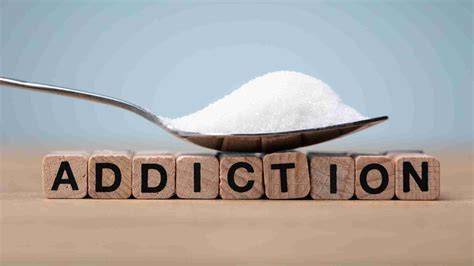
 Sugar is a part of everyday life. From morning coffee to dessert after dinner, many of us enjoy sweets without a second thought. But for some, the relationship with sugar can become more than casual indulgence. When cravings feel uncontrollable, interfere with daily routines, or leave you feeling guilty or fatigued, it may indicate that sugar is having a deeper impact on your health and well-being. Understanding the signs of sugar addiction is the first step toward regaining control and restoring balance in your life.
At Nicolas Chocolat, we approach addictive behaviors with compassion and professionalism. Our programs combine addiction recovery services, mental health treatment, and holistic care. We focus on individualized strategies that address both the physical and emotional factors contributing to cravings, offering support through inpatient and outpatient care, faith-based approaches, and holistic therapies.
Why Sugar Can Become Addictive
Sugar activates the brain’s reward system by releasing dopamine, a chemical that produces pleasure and reinforces behavior. Over time, repeated sugar consumption strengthens these reward pathways, creating a cycle where cravings feel unavoidable.
Emotional triggers such as stress, fatigue, anxiety, or loneliness can further intensify these cravings. For many individuals, sugar becomes a coping mechanism—a quick source of comfort or energy that temporarily alleviates emotional discomfort. Recognizing the combination of physical and emotional drivers is essential for addressing the root cause of sugar dependency.
Signs Sugar May Be Controlling Your Life
Not every craving indicates addiction. However, sugar addiction often presents with patterns and behaviors that go beyond simple enjoyment. Some signs include:
- Strong, frequent cravings for sugary foods or drinks
- Eating sweets even when not physically hungry
- Using sugar to manage stress, boredom, or emotional discomfort
- Feeling irritable, tired, or anxious when trying to cut back
- Experiencing guilt, shame, or frustration after consuming sugar
If you notice these patterns, it may be time to evaluate your relationship with sugar and seek support for healthier habits.
How Emotional Health Affects Sugar Addiction
Many people use sugar to cope with emotions. This reliance can create a cycle in which temporary relief leads to crashes in energy and mood, which then prompt more cravings. Addressing emotional health is therefore a key component of recovery. Counseling, stress management techniques, mindfulness practices, and faith-based support can provide healthier alternatives to manage difficult emotions and reduce dependence on sugar.
Practical Strategies to Regain Control
Breaking free from sugar addiction requires intentional steps and supportive strategies:
Identify Your Triggers
Keep a journal to note when cravings occur, what emotions or situations accompany them, and what foods you are reaching for. This awareness allows you to anticipate cravings and respond with healthier alternatives.
Stabilize Your Blood Sugar
Balanced meals that include protein, healthy fats, and complex carbohydrates help prevent energy crashes that trigger sugar cravings. Eating consistently throughout the day reduces the intensity of urges.
Gradual Reduction
Sudden elimination of sugar can result in withdrawal symptoms such as headaches, irritability, or fatigue. A gradual approach allows your body and mind to adjust while supporting long-term success.
Build Healthier Coping Tools
Engaging in physical activity, mindfulness, journaling, and counseling provides alternatives for managing stress or negative emotions. Developing these tools strengthens resilience and reduces reliance on sugar as a coping mechanism.
Seek Individualized Professional Support
Sometimes sugar cravings are linked to deeper behavioral or mental health challenges. At Nicolas Chocolat, our programs provide personalized care plans that integrate mental health treatment, holistic therapies, and faith-based support. Inpatient and outpatient programs allow clients to address the underlying causes of cravings while learning practical strategies to regain control.
Embracing Holistic Recovery
True recovery focuses on the whole person—physical health, emotional well-being, and spiritual growth. Holistic care empowers individuals to create balanced habits, rebuild confidence, and develop sustainable routines that support long-term wellness. This approach ensures that clients not only reduce sugar intake but also strengthen overall resilience and quality of life.
Take the First Step Toward Support
Recognizing that sugar may be controlling your life is a courageous first step toward change. With the right strategies, support, and professional guidance, it is possible to regain balance, energy, and well-being.
At Nicolas Chocolat, our compassionate and client-centered team is dedicated to helping individuals overcome sugar addiction and build healthier relationships with food. Reach out today to learn more about our programs and take the first step toward lasting recovery and renewed vitality.