
Breaking Free from Sugar: Practical Strategies to Beat Sweet Cravings

Sugar cravings can feel sudden, intense, and difficult to ignore. One moment you feel in control, and the next you are reaching for sweets without fully thinking about it. For many people, this pattern repeats daily and can affect energy, mood, sleep, and overall well-being. If you have ever wondered why sweet cravings feel so powerful, you are not alone. The good news is that there are practical, compassionate ways to break the cycle and regain control.

At Nicolas Chocolat, we understand that cravings are not simply about willpower. They are often connected to emotional health, stress responses, and learned behavioral patterns. Our approach to addiction recovery combines mental health treatment, holistic care, and individualized support to help clients build lasting change through understanding and structure, not shame.

Why Sugar Cravings Feel So Strong

Sugar has a direct effect on the brain’s reward system. When consumed, it triggers dopamine release, which creates a temporary feeling of pleasure and relief. Over time, the brain can begin to associate sugar with comfort, energy, or emotional soothing. This can make cravings feel automatic and difficult to resist.

However, biological response is only part of the story. Emotional stress, lack of sleep, anxiety, and daily overwhelm can all increase the desire for quick energy sources like sugar. In many cases, sweets become a coping tool rather than just a food preference.

Understanding this connection is an important first step toward breaking free from the cycle.

Signs Your Sweet Cravings May Need Attention

It can be helpful to reflect on whether sugar is starting to influence your daily choices more than you intend. Some common signs include:

  • Frequent urges to eat sweets even after meals
  • Difficulty controlling portion sizes of sugary foods
  • Using sugar to cope with stress, boredom, or emotional discomfort
  • Energy crashes followed by new cravings
  • Feeling guilt or frustration after eating sweets

These patterns do not mean failure. They simply indicate that your body and mind may need additional support and balance.

Practical Strategies to Beat Sweet Cravings

Breaking free from sugar does not require perfection. It requires consistent, supportive habits that help stabilize both your body and emotions.

1. Eat Balanced Meals Regularly

Skipping meals or eating highly processed foods can increase sugar cravings. Aim for balanced meals that include protein, fiber, and healthy fats. These nutrients help stabilize blood sugar levels and reduce sudden cravings.

2. Identify Emotional Triggers

Many cravings are linked to emotional states such as stress, fatigue, loneliness, or overwhelm. Start noticing when cravings appear. Ask yourself what you are feeling in that moment. This awareness helps separate emotional needs from physical hunger.

3. Replace, Do Not Restrict

Instead of focusing only on what to remove, focus on what you can add. Fresh fruit, nuts, yogurt, or naturally sweet foods can satisfy cravings in a healthier way while reducing dependency on refined sugar.

4. Build a Craving Response Plan

When a craving hits, have a simple plan ready. This might include drinking water, taking a short walk, practicing deep breathing, or waiting ten minutes before deciding. Cravings often peak and pass if not acted on immediately.

5. Reduce Sugar Gradually

Sudden restriction can lead to stronger cravings and withdrawal-like symptoms. Gradual reduction allows your body and brain to adjust more comfortably, increasing long-term success.

6. Seek Professional Support When Needed

If cravings feel persistent or emotionally driven, professional guidance can help uncover deeper patterns. At Nicolas Chocolat, we offer inpatient and outpatient programs that integrate mental health treatment, holistic healing practices, and personalized recovery plans. Our approach is compassionate and tailored to each individual, recognizing that every recovery journey is unique.

The Role of Holistic Healing in Recovery

Holistic care focuses on the connection between mind, body, and emotional well-being. Sugar cravings are often not just about food but about stress regulation, emotional comfort, and nervous system balance.

Through therapy, mindfulness practices, nutrition education, and faith-based support when desired, individuals can begin to rebuild a healthier relationship with food and emotions. This comprehensive approach supports not just behavior change but long-term emotional resilience.

Moving Forward With Confidence

Breaking free from sugar cravings is not about restriction or guilt. It is about understanding your patterns, supporting your body, and learning healthier ways to cope with life’s challenges. With the right strategies and compassionate guidance, lasting change is absolutely possible.

At Nicolas Chocolat, we are committed to helping individuals overcome addictive patterns with dignity, care, and individualized support. If sweet cravings are affecting your daily life, reaching out for help can be the first step toward restored energy, balance, and confidence.

You do not have to face this alone. Support is available, and recovery can start today.
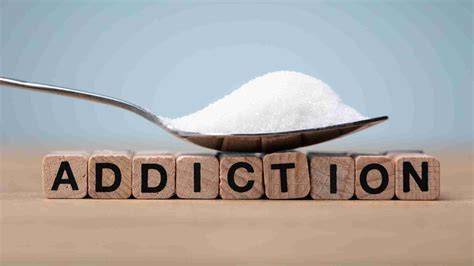
Sweet Addiction Uncovered: How to Recognize When Sugar Is Controlling Your Life

Sugar is a part of everyday life. From morning coffee to dessert after dinner, many of us enjoy sweets without a second thought. But for some, the relationship with sugar can become more than casual indulgence. When cravings feel uncontrollable, interfere with daily routines, or leave you feeling guilty or fatigued, it may indicate that sugar is having a deeper impact on your health and well-being. Understanding the signs of sugar addiction is the first step toward regaining control and restoring balance in your life.
At Nicolas Chocolat, we approach addictive behaviors with compassion and professionalism. Our programs combine addiction recovery services, mental health treatment, and holistic care. We focus on individualized strategies that address both the physical and emotional factors contributing to cravings, offering support through inpatient and outpatient care, faith-based approaches, and holistic therapies.

Why Sugar Can Become Addictive

Sugar activates the brain’s reward system by releasing dopamine, a chemical that produces pleasure and reinforces behavior. Over time, repeated sugar consumption strengthens these reward pathways, creating a cycle where cravings feel unavoidable.

Emotional triggers such as stress, fatigue, anxiety, or loneliness can further intensify these cravings. For many individuals, sugar becomes a coping mechanism—a quick source of comfort or energy that temporarily alleviates emotional discomfort. Recognizing the combination of physical and emotional drivers is essential for addressing the root cause of sugar dependency.

Signs Sugar May Be Controlling Your Life

Not every craving indicates addiction. However, sugar addiction often presents with patterns and behaviors that go beyond simple enjoyment. Some signs include:

  • Strong, frequent cravings for sugary foods or drinks
  • Eating sweets even when not physically hungry
  • Using sugar to manage stress, boredom, or emotional discomfort
  • Feeling irritable, tired, or anxious when trying to cut back
  • Experiencing guilt, shame, or frustration after consuming sugar

If you notice these patterns, it may be time to evaluate your relationship with sugar and seek support for healthier habits.

How Emotional Health Affects Sugar Addiction

Many people use sugar to cope with emotions. This reliance can create a cycle in which temporary relief leads to crashes in energy and mood, which then prompt more cravings. Addressing emotional health is therefore a key component of recovery. Counseling, stress management techniques, mindfulness practices, and faith-based support can provide healthier alternatives to manage difficult emotions and reduce dependence on sugar.

Practical Strategies to Regain Control

Breaking free from sugar addiction requires intentional steps and supportive strategies:

Identify Your Triggers

Keep a journal to note when cravings occur, what emotions or situations accompany them, and what foods you are reaching for. This awareness allows you to anticipate cravings and respond with healthier alternatives.

Stabilize Your Blood Sugar

Balanced meals that include protein, healthy fats, and complex carbohydrates help prevent energy crashes that trigger sugar cravings. Eating consistently throughout the day reduces the intensity of urges.

Gradual Reduction

Sudden elimination of sugar can result in withdrawal symptoms such as headaches, irritability, or fatigue. A gradual approach allows your body and mind to adjust while supporting long-term success.

Build Healthier Coping Tools

Engaging in physical activity, mindfulness, journaling, and counseling provides alternatives for managing stress or negative emotions. Developing these tools strengthens resilience and reduces reliance on sugar as a coping mechanism.

Seek Individualized Professional Support

Sometimes sugar cravings are linked to deeper behavioral or mental health challenges. At Nicolas Chocolat, our programs provide personalized care plans that integrate mental health treatment, holistic therapies, and faith-based support. Inpatient and outpatient programs allow clients to address the underlying causes of cravings while learning practical strategies to regain control.

Embracing Holistic Recovery

True recovery focuses on the whole person—physical health, emotional well-being, and spiritual growth. Holistic care empowers individuals to create balanced habits, rebuild confidence, and develop sustainable routines that support long-term wellness. This approach ensures that clients not only reduce sugar intake but also strengthen overall resilience and quality of life.

Take the First Step Toward Support

Recognizing that sugar may be controlling your life is a courageous first step toward change. With the right strategies, support, and professional guidance, it is possible to regain balance, energy, and well-being.

At Nicolas Chocolat, our compassionate and client-centered team is dedicated to helping individuals overcome sugar addiction and build healthier relationships with food. Reach out today to learn more about our programs and take the first step toward lasting recovery and renewed vitality.

Breaking the Habit: Practical Steps to Conquer Sugar Cravings Without Guilt

Sugar is everywhere. From morning coffee to late-night snacks, it often feels impossible to avoid. For many people, occasional sweets are harmless, but for some, cravings can become a persistent cycle that affects energy, mood, and overall health. Feeling trapped in this cycle can lead to guilt and frustration. Understanding why sugar cravings happen and learning practical ways to manage them is essential for reclaiming control, improving well-being, and restoring confidence.


At Nicolas Chocolat, we approach sugar addiction with compassion and expertise. Our programs combine addiction recovery services, mental health treatment, and holistic care to provide individualized support. We understand that overcoming cravings is not just about willpower—it requires insight, structure, and practical strategies.

Why Sugar Cravings Can Be Difficult to Resist

Sugar activates the brain’s reward system by releasing dopamine, the chemical associated with pleasure and motivation. Repeated exposure strengthens this reward pathway, creating a cycle where cravings feel unavoidable. Emotional triggers such as stress, fatigue, or anxiety often amplify these urges, making sugar a go-to solution for comfort or quick energy.

Recognizing that sugar cravings have both physical and emotional components is the first step toward breaking the habit. This understanding removes self-blame and creates a foundation for sustainable change.

Signs Your Sugar Habits May Need Attention

It can be challenging to distinguish between enjoying sweets and developing a dependency. Common signs that sugar may be controlling your habits include:

  • Frequent, intense cravings for sugary foods
  • Eating sweets even when you are full or not hungry
  • Using sugar to cope with stress, boredom, or emotional discomfort
  • Feeling irritable or fatigued when reducing sugar intake
  • Experiencing guilt or shame after consuming sweets

Identifying these patterns is a compassionate way to start addressing unhealthy habits without judgment.

Practical Steps to Conquer Sugar Cravings

Overcoming sugar cravings requires a combination of awareness, planning, and support. The following steps offer actionable strategies:

Track Your Cravings

Keeping a simple journal of when and why cravings occur helps identify patterns. Are they tied to certain times of day, emotional states, or environments? Awareness empowers you to respond intentionally.

Gradual Reduction

Sudden elimination of sugar can cause withdrawal symptoms such as headaches, irritability, or fatigue. Gradual reduction allows your body to adjust while minimizing discomfort and increasing the likelihood of long-term success.

Choose Balanced Alternatives

Incorporate fruits, nuts, seeds, and whole grains as replacements for sugary snacks. These foods stabilize blood sugar and provide natural energy while satisfying the desire for sweetness.

Address Emotional Triggers

Many sugar cravings are tied to emotional states rather than physical hunger. Mindfulness exercises, journaling, counseling, or physical activity can help manage stress and provide healthier coping mechanisms.

Seek Professional Support

Professional guidance can make a significant difference in recovery. Nicolas Chocolat offers both inpatient and outpatient programs that integrate mental health care, holistic therapies, and faith-based support. Individualized plans address the root causes of cravings while fostering sustainable lifestyle changes.

The Role of Holistic and Compassionate Care

Breaking free from sugar is not simply about eliminating a food. True recovery involves addressing physical health, emotional well-being, and personal habits. Holistic care provides the tools and support needed to restore balance, build resilience, and develop a positive relationship with food.

By integrating therapy, nutrition guidance, stress management, and individualized counseling, clients gain practical strategies for long-term success while reducing shame and fostering self-confidence.

Moving Forward Without Guilt

Sugar cravings may feel overwhelming, but change is possible with understanding, structure, and support. By identifying triggers, implementing practical strategies, and seeking compassionate guidance, you can break the cycle, restore energy, and improve overall health.

At Nicolas Chocolat, we are committed to helping clients overcome sugar cravings through individualized, holistic, and client-centered care. If sugar is affecting your daily life, reach out today to learn more about our programs and take the first step toward a healthier, more balanced future.

Sweet Tooth or Sweet Addiction? Signs You Might Need Support

Many people enjoy sweets from time to time. A dessert after dinner or a sweet snack during the day is common and often harmless. However, for some individuals, sugar can become more than an occasional treat. When cravings begin to feel overwhelming, difficult to control, or tied to emotional struggles, it may signal a deeper issue. Understanding the difference between a simple sweet tooth and a pattern of sugar addiction is an important step toward protecting your health and well-being.

At Nicolas Chocolat, we recognize that addictive behaviors often develop quietly over time. Our compassionate, client centered approach to addiction recovery and mental health treatment focuses on understanding the whole person. Through individualized care, holistic therapies, and faith based support options, we help people identify unhealthy patterns and build healthier habits that last.

Understanding the Difference Between a Sweet Tooth and Sweet Addiction

A sweet tooth typically refers to a natural preference for sugary foods. Many people enjoy sweets occasionally without experiencing negative consequences. Sweet addiction, on the other hand, involves repeated cravings and behaviors that feel difficult to control despite the desire to stop.

Sugar activates the brain’s reward system by releasing dopamine, the chemical associated with pleasure and motivation. When sugary foods are consumed frequently, the brain can begin to rely on that dopamine response. Over time, this process may strengthen cravings and create a pattern that resembles other forms of addiction.

However, sugar cravings are rarely just physical. Emotional stress, fatigue, anxiety, and unresolved mental health concerns often contribute to the cycle. Recognizing these factors can help individuals move from frustration toward meaningful change.

Signs Your Sweet Tooth May Be Something More

It can be challenging to recognize when sugar habits have crossed the line into dependency. Some common warning signs include:

  • Frequent cravings for sugary foods throughout the day

  • Eating sweets even when you are not physically hungry

  • Feeling irritable or fatigued when trying to reduce sugar intake

  • Using sugary snacks to cope with stress, sadness, or boredom

  • Experiencing guilt or regret after consuming sweets

If these patterns feel familiar, it may be time to explore the underlying causes. A compassionate approach to recovery focuses on understanding why cravings occur rather than simply trying to eliminate them.

Why Emotional Health Plays a Role in Sugar Cravings

For many people, sugar becomes a coping mechanism. Stressful days, emotional discomfort, and mental health challenges can lead to a strong desire for quick comfort. Sugar provides a temporary sense of relief, but that relief often fades quickly and leaves behind fatigue or guilt.

Addressing emotional well being is therefore essential in overcoming sugar dependency. Mental health support, counseling, and stress management techniques help individuals develop healthier ways to respond to difficult emotions.

At Nicolas Chocolat, mental health care is integrated into addiction recovery programs. This approach allows clients to address both the behavioral patterns and the emotional factors that contribute to cravings.

Practical Steps to Regain Control

Breaking the cycle of sugar cravings requires a thoughtful and supportive approach. The following strategies can help individuals begin the process of change.

Identify Patterns and Triggers

Start by observing when cravings occur. Are they linked to certain times of day, emotional states, or environments? Keeping a simple journal can reveal patterns and guide healthier choices.

Focus on Balanced Nutrition

Regular meals that include protein, healthy fats, and complex carbohydrates help stabilize blood sugar levels. When the body receives consistent nourishment, intense cravings often decrease.

Develop Healthier Coping Tools

Learning new ways to manage stress can reduce reliance on sugar for emotional comfort. Practices such as mindfulness, physical activity, journaling, or spiritual reflection can support emotional balance.

Seek Professional Support

Sometimes cravings are connected to deeper behavioral or emotional challenges. Professional support can provide structure, accountability, and guidance during the recovery process.

Nicolas Chocolat offers both inpatient and outpatient addiction recovery programs that focus on individualized care. Through holistic therapies, counseling, and faith based support options, clients receive the tools they need to create lasting change.

A Holistic Path Toward Healing

Recovery is not about eliminating pleasure or creating strict restrictions. Instead, it involves developing a balanced relationship with food, emotions, and daily habits. Holistic treatment approaches recognize that physical health, mental well being, and spiritual growth are closely connected.

By addressing each of these areas, individuals can rebuild confidence, improve energy levels, and develop healthier coping strategies that support long term wellness.

Take the First Step Toward Support

If sugar cravings are beginning to feel overwhelming, you do not have to face them alone. Understanding the difference between a sweet tooth and sweet addiction can open the door to meaningful change.

At Nicolas Chocolat, our compassionate team is dedicated to helping individuals reclaim their health through personalized addiction recovery and mental health treatment. With holistic care, faith based support options, and individualized programs, we guide clients toward lasting healing and renewed balance.

If you are ready to take the next step toward a healthier relationship with food and greater emotional well being, reach out to Nicolas Chocolat today. Support, understanding, and recovery are closer than you may think.

Why Sugar Feels Unstoppable and How to Regain Your Health and Energy

Sugar can feel impossible to resist. A cookie at lunch, a sweet coffee in the morning, or dessert after dinner may start as a simple pleasure, but over time, cravings can take over daily habits, energy levels, and even emotional well-being. Many people find themselves trapped in a cycle of intense cravings followed by fatigue, irritability, or guilt. Understanding why sugar feels so unstoppable and learning strategies to regain control is essential for restoring health, balance, and energy.

At Nicolas Chocolat, we approach sugar addiction with compassion and expertise. Our programs combine addiction recovery services, mental health support, and holistic care to provide individualized guidance. We recognize that overcoming sugar dependency involves more than willpower. It requires understanding both the physical and emotional factors that drive cravings and developing sustainable strategies for long-term recovery.

Why Sugar Cravings Are So Powerful

Sugar activates the brain’s reward system by releasing dopamine, a chemical that produces pleasure and reinforces behavior. Repeated consumption strengthens this reward cycle, making cravings more frequent and intense. Over time, the brain may begin to associate sugar with comfort, relief, or emotional coping, creating a pattern that feels impossible to break.

Emotional and environmental triggers amplify cravings. Stress, fatigue, and social situations can prompt sugar-seeking behaviors even when hunger is not present. Recognizing these triggers is a critical step toward regaining control.

Signs That Sugar Is Affecting Your Life

It can be difficult to know when occasional sweet indulgences have become problematic. Some common indicators of sugar dependency include:

  • Intense cravings for sugary foods or beverages throughout the day

  • Eating sweets even when full or not physically hungry

  • Using sugar to manage stress, boredom, or negative emotions

  • Experiencing irritability, low energy, or mood swings when avoiding sugar

  • Feeling guilt, shame, or frustration after consuming sweets

Acknowledging these patterns is not a sign of weakness. It is an important first step toward reclaiming health and energy.

Practical Steps to Regain Control

Recovery from sugar dependency involves consistent, intentional strategies. The goal is sustainable change rather than perfection.

Identify Your Triggers

Keep a journal to track when cravings occur and the circumstances surrounding them. Understanding patterns helps you respond intentionally instead of reacting automatically.

Stabilize Blood Sugar With Balanced Meals

Consuming meals that include protein, healthy fats, and complex carbohydrates can stabilize blood sugar and reduce cravings. Regular, balanced meals prevent energy crashes that often trigger sugar-seeking behaviors.

Gradual Reduction

Sudden elimination of sugar can produce withdrawal symptoms such as headaches, irritability, and fatigue. Reducing intake gradually allows the body to adjust while supporting long-term habit changes.

Build Healthy Coping Skills

Many cravings are emotional rather than physical. Mindfulness, journaling, counseling, physical activity, and faith-based reflection can provide healthier ways to manage stress and emotions.

Seek Individualized Professional Support

Sugar dependency is often connected to deeper mental health or behavioral patterns. At Nicolas Chocolat, our inpatient and outpatient programs offer individualized care that addresses the underlying causes of cravings. Holistic support and faith-based approaches help clients develop sustainable habits and regain control over their health and energy.

The Role of Holistic Care in Recovery

Holistic recovery treats the whole person. Nutrition, emotional health, mental well-being, and spiritual guidance work together to address root causes rather than just the symptom. Integrating these approaches empowers individuals to create lasting lifestyle changes, foster resilience, and restore vitality.

Moving Forward With Confidence

Sugar cravings can feel unstoppable, but change is possible. By understanding triggers, implementing practical strategies, and seeking compassionate professional support, you can break the cycle and regain your energy, focus, and health.

At Nicolas Chocolat, we are committed to helping clients overcome sugar dependency with individualized, compassionate, and expert care. If sugar cravings are affecting your daily life, reach out today to learn more about our programs and take the first step toward balanced health, renewed energy, and lasting recovery.

From Cravings to Control: A Compassionate Guide to Breaking Free from Sugar

Sugar cravings can feel powerful, persistent, and deeply frustrating. What begins as an occasional treat can gradually turn into a daily struggle marked by energy crashes, mood swings, and guilt. If you feel caught between wanting better health and feeling unable to resist sweets, you are not alone. Sweet cravings are often rooted in both biology and emotion. With the right support, insight, and care, it is possible to move from cravings to control and build a healthier, more balanced life.

At Nicolas Chocolat, we understand that addiction is never simply about the substance. Whether someone is struggling with sugar, alcohol, or other compulsive behaviors, the underlying patterns often involve stress, trauma, mental health concerns, and unmet emotional needs. Our holistic, faith-based, and individualized treatment programs are designed to address the whole person, offering inpatient and outpatient care that supports lasting recovery.

Understanding Why Sugar Cravings Feel So Strong

Sugar activates the brain’s reward system by triggering the release of dopamine. This chemical creates feelings of pleasure and reinforcement. Over time, the brain can begin to associate sugar with comfort, relief, or reward. As tolerance builds, larger amounts may be needed to achieve the same effect.

However, the physical component is only part of the story. Emotional triggers such as stress, loneliness, anxiety, or fatigue can intensify sugar cravings. For many individuals, sweets become a coping tool. This is especially true when underlying mental health challenges such as depression or anxiety are present.

Recognizing that sugar addiction has both biological and psychological dimensions helps remove shame from the equation. Instead of blaming yourself, you can begin to approach recovery with compassion and clarity.

Signs You May Be Struggling with Sugar Addiction

It can be difficult to distinguish between enjoying sweets and experiencing dependency. Some signs that sugar may be controlling your habits include:

  • Frequent and intense cravings for sugary foods

  • Eating sweets even when you are not physically hungry

  • Using sugar to manage stress or difficult emotions

  • Feeling irritable or fatigued when trying to cut back

  • Experiencing guilt or regret after consuming sugar

If these patterns sound familiar, know that help is available. Awareness is the first and most important step toward change.

Practical Steps to Break Free from Sugar

Breaking free from sugar addiction requires intentional strategies and consistent support. The goal is not perfection but steady progress toward healthier habits.

Identify Your Triggers

Start by observing when cravings occur. Are they tied to certain times of day, emotional states, or environments? Keeping a simple journal can reveal patterns and help you prepare healthier responses.

Stabilize Your Nutrition

Balanced meals that include protein, healthy fats, and complex carbohydrates help regulate blood sugar levels. When blood sugar is stable, cravings often decrease naturally. Skipping meals or relying on processed foods can intensify the sugar cycle.

Reduce Gradually

Eliminating sugar abruptly can lead to withdrawal symptoms such as headaches, irritability, and fatigue. A gradual reduction allows your body to adjust while minimizing discomfort.

Develop Healthier Coping Skills

If sugar has become a way to cope with stress or emotional pain, it is essential to build alternative tools. Mindfulness practices, counseling, physical activity, and faith-based reflection can provide healthier outlets for managing emotions.

Seek Professional Support

For some individuals, sugar addiction is connected to deeper mental health or substance use challenges. In these cases, professional treatment can be life changing. Nicolas Chocolat offers individualized addiction recovery services that address both behavioral patterns and underlying emotional needs. Through inpatient and outpatient programs, clients receive comprehensive care that supports physical, emotional, and spiritual healing.

The Power of Holistic and Faith Based Care

True recovery goes beyond eliminating a behavior. It involves rebuilding self trust, strengthening emotional resilience, and restoring purpose. Holistic treatment integrates therapy, nutrition guidance, mental health care, and spiritual support when desired. This approach ensures that each person’s unique experiences, beliefs, and goals are respected.

By treating the whole person, not just the symptom, long term recovery becomes achievable and sustainable.

Moving From Cravings to Lasting Control

Breaking free from sugar is not about strict dieting or self punishment. It is about understanding your body, honoring your emotional needs, and choosing support when you need it. With compassion, structure, and professional guidance, you can reclaim your health and restore your energy.

If sugar cravings are interfering with your well being, consider reaching out to Nicolas Chocolat today. Our team is committed to providing personalized, client centered care that empowers individuals to overcome addiction and build a balanced, fulfilling life. Recovery is possible, and it begins with one courageous step toward support.

Caught in the Sugar Cycle: How to Recognize and Overcome Sweet Addiction

For many people, sugar is more than just a treat. It can feel like a constant pull, influencing moods, energy levels, and daily habits. What begins as occasional indulgence can develop into a cycle of cravings, guilt, and fatigue. If you often find yourself reaching for sweets without thinking, or using sugary foods to cope with stress or emotions, it may be time to explore whether sugar has become an addictive force in your life.

At Nicolas Chocolat, we understand that sugar addiction is complex and personal. Our compassionate, holistic approach combines addiction recovery services, mental health support, and individualized care to help clients break free from unhealthy patterns while rebuilding a healthy relationship with food.

Understanding the Sugar Cycle

Sugar activates the brain’s reward system by releasing dopamine, the chemical associated with pleasure and motivation. Over time, repeated consumption can create a cycle of cravings and dependence. This cycle can feel relentless, making it difficult to stop even when you want to.

Emotional triggers such as stress, boredom, or fatigue can intensify cravings. Environmental cues, like seeing dessert at social events or sugary snacks at work, also reinforce the cycle. Understanding both the biological and emotional factors behind sugar cravings is essential for breaking free.

Signs You May Be Struggling with Sweet Addiction

Recognizing the signs of sugar addiction is the first step toward change. Common indicators include:

  • Intense, frequent cravings for sweets or sugary drinks

  • Eating sugar even when full or not hungry

  • Using sweets as a coping mechanism for stress or negative emotions

  • Feeling irritable, fatigued, or anxious when avoiding sugar

  • Experiencing guilt or shame after consuming sugary foods

Acknowledging these patterns is not a weakness. It is a step toward taking control of your health and well-being.

Practical Steps to Overcome Sugar Addiction

Breaking the sugar cycle requires more than willpower. Combining awareness, strategy, and professional support increases the likelihood of long-term success.

1. Track Your Habits

Keep a journal to note when cravings occur and what emotions or situations trigger them. Awareness of these patterns helps you respond intentionally rather than automatically.

2. Reduce Sugar Gradually

Eliminating sugar abruptly can cause withdrawal symptoms, including headaches, irritability, and strong cravings. A gradual reduction allows your body and mind to adjust while supporting sustainable habits.

3. Choose Healthier Alternatives

Swap sugary snacks with fruits, nuts, seeds, or whole grains. These foods stabilize blood sugar, provide natural sweetness, and support energy levels throughout the day.

4. Address Emotional Triggers

Cravings are often emotional rather than physical. Mindfulness exercises, journaling, therapy, or support groups can help you manage stress and develop healthier coping mechanisms.

5. Seek Professional Support

Professional guidance can significantly improve recovery outcomes. At Nicolas Chocolat, our individualized programs include inpatient and outpatient care, holistic support, and faith-based approaches designed to help clients address the root causes of cravings safely and effectively.

The Role of Holistic Care in Recovery

Holistic care considers the mind, body, and spirit. In the context of sugar addiction, this approach integrates nutrition guidance, mental health counseling, mindfulness practices, and personalized therapy. Holistic care addresses the underlying causes of cravings and empowers individuals to create lasting behavioral change while fostering emotional resilience and well-being.

Moving Forward with Confidence

Breaking free from the sugar cycle is a journey, not a single step. By recognizing triggers, implementing practical strategies, and seeking compassionate professional support, you can regain control over cravings, restore energy, and build a balanced relationship with food.

At Nicolas Chocolat, we are committed to helping clients overcome sugar addiction through individualized, holistic, and compassionate care. If sugar cravings or other addictive patterns are affecting your health or daily life, reach out today to learn more about our programs. Taking the first step is the beginning of a healthier, more balanced future.

Sweet Addiction Explained: Practical Steps to Reclaim Your Health and Energy

Sugar can feel harmless at first. A dessert after dinner or a sweet coffee in the morning often seems normal. However, when cravings become frequent, intense, or emotionally driven, sugar can begin to affect your energy, mood, and overall health. Many people find themselves stuck in a cycle of cravings followed by fatigue and guilt. The good news is that recovery is possible. With the right support, education, and compassionate care, you can regain control and restore balance in your life.

At Nicolas Chocolat, we understand that addiction is complex and deeply personal. Our individualized programs combine addiction recovery services, mental health treatment, and holistic care to help clients overcome unhealthy patterns and develop sustainable habits that promote lasting well-being.

What Is Sweet Addiction?

Sweet addiction refers to a pattern of compulsive sugar consumption that feels difficult to control. While sugar itself is common in many diets, repeated overconsumption can lead to physical and emotional dependency. This pattern often impacts sleep, concentration, mood stability, and daily energy levels.

Sugar activates the brain’s reward system by releasing dopamine, which reinforces the desire for more sweets. Over time, the body may require increasing amounts of sugar to achieve the same feeling of satisfaction. As a result, cravings intensify and become harder to resist.

Common Signs of Sugar Dependency

Recognizing the signs of sweet addiction is an important step toward change. Some indicators include:

  • Strong cravings for sugary foods throughout the day

  • Eating sweets even when you are not hungry

  • Using sugar to cope with stress, boredom, or emotional distress

  • Feeling irritable or fatigued when avoiding sugar

  • Experiencing guilt or shame after eating sweets

These patterns can feel discouraging, but they are treatable. Compassionate support and professional guidance can help you understand the root causes and begin the recovery process.

Practical Steps to Reclaim Your Health and Energy

Recovery from sugar addiction is not about perfection. It is about building consistent, healthy habits that support both physical and emotional wellness.

1. Build Awareness Through Tracking

Start by noting when cravings occur and what emotions or situations are connected to them. Understanding patterns allows you to respond intentionally instead of reacting automatically.

2. Reduce Sugar Gradually

Sudden elimination often leads to withdrawal symptoms such as headaches, mood swings, or intense cravings. A gradual reduction helps your body adjust and supports sustainable progress.

3. Prioritize Balanced Nutrition

Whole foods such as fruits, vegetables, lean proteins, and whole grains stabilize blood sugar and reduce energy crashes. Consistent meals and snacks can help minimize cravings throughout the day.

4. Strengthen Emotional Coping Skills

Many cravings are linked to emotional stress. Mindfulness practices, journaling, and counseling can help you manage difficult emotions in healthier ways.

5. Seek Individualized Professional Support

Recovery is often more successful with professional guidance. At Nicolas Chocolat, our inpatient and outpatient programs provide personalized treatment plans that address mental health, emotional resilience, and lifestyle habits. Faith-based and holistic options are available to support the whole person, including physical, emotional, and spiritual health.

The Value of Holistic and Compassionate Care

Holistic recovery recognizes that addiction is not just a behavior. It involves emotional struggles, thought patterns, and environmental influences. By integrating therapy, nutrition guidance, stress management techniques, and individualized counseling, clients develop practical skills for long-term success. Compassionate care helps reduce shame and empowers individuals to rebuild confidence and self-trust.

Moving Forward With Confidence and Support

Sweet addiction can feel overwhelming, but change is possible with the right tools and encouragement. By understanding the science behind cravings, practicing gradual lifestyle changes, and seeking professional support, you can reclaim your health, restore your energy, and build a more balanced relationship with food.

At Nicolas Chocolat, we are committed to helping individuals move beyond addiction through compassionate, client-centered care. If sugar cravings or other addictive behaviors are affecting your well-being, consider reaching out today. A supportive team is ready to guide you toward lasting recovery, renewed strength, and a healthier future.

The Sweet Trap: Understanding Why Sugar Feels Unstoppable and How to Regain Control

Sugar is more than just a treat. For many people, it can feel like an irresistible force, drawing them toward cookies, candy, desserts, or sugary drinks multiple times a day. What starts as an occasional indulgence can quickly turn into a cycle of cravings that impacts energy, mood, and overall health. If you have ever felt powerless in the face of sugar, you are not alone. Understanding why sugar feels unstoppable and learning strategies to regain control is an essential step toward lasting well-being.

At Nicolas Chocolat, we approach sugar cravings with the same compassion and expertise we bring to all forms of addiction recovery. Our holistic, individualized programs are designed to help clients understand the root causes of cravings, develop healthy coping strategies, and rebuild a balanced relationship with food.

Why Sugar Feels Unstoppable

Sugar triggers the brain’s reward system, releasing dopamine and creating feelings of pleasure and satisfaction. This same pathway is activated by addictive substances, which is why sugar can feel so difficult to resist. Repeated consumption reinforces the cycle, making cravings more frequent and intense over time.

Beyond the biological factors, emotional and environmental triggers play a significant role. Stress, fatigue, emotional distress, and social situations can all prompt sugar cravings. Recognizing these triggers is the first step in breaking the cycle and regaining control.

Recognizing the Signs of Sugar Dependency

Awareness is critical in addressing sugar cravings. Some common signs include:

  • Persistent cravings for sweets even when not hungry

  • Eating sugary foods to manage emotions such as stress or sadness

  • Feeling irritable, fatigued, or anxious when avoiding sugar

  • Difficulty controlling the amount of sugar consumed

  • Guilt or shame after eating sweets

Acknowledging these patterns is not a sign of weakness. It is an important step toward understanding your habits and creating healthier behaviors.

Practical Steps to Regain Control

Overcoming sugar cravings requires a thoughtful, compassionate approach. Here are strategies that support lasting change:

1. Identify Your Triggers

Keep a journal of when and why cravings occur. Understanding patterns related to stress, boredom, or emotional need helps you respond with intention rather than habit.

2. Reduce Sugar Gradually

Sudden elimination of sugar can lead to withdrawal symptoms, including headaches, irritability, or intense cravings. Gradual reduction allows the body and mind to adjust and supports long-term success.

3. Choose Nutritious Alternatives

Swap sugary snacks with whole foods like fruits, vegetables, nuts, and whole grains. These alternatives provide natural sweetness, help regulate blood sugar, and maintain energy levels.

4. Address Emotional and Behavioral Triggers

Many cravings are emotional rather than physical. Mindfulness, journaling, therapy, or support groups can help manage stress and teach healthier coping mechanisms.

5. Seek Professional Support

Professional guidance can make a significant difference in overcoming sugar dependency. At Nicolas Chocolat, we offer individualized care, including inpatient and outpatient programs, holistic support, and faith-based options to help clients address the root causes of cravings in a safe and supportive environment.

The Role of Holistic Recovery

Holistic care treats the whole person. In the context of sugar addiction, this means addressing physical, emotional, and spiritual health. Integrating nutrition guidance, mental health support, mindfulness practices, and personalized therapy allows clients to break free from addictive patterns while cultivating resilience, balance, and long-term wellness.

Moving Forward

Sugar cravings can feel relentless, but with understanding, strategy, and support, it is possible to regain control. By recognizing triggers, implementing practical strategies, and seeking professional help, you can break the cycle and build a healthier, more balanced relationship with food.

At Nicolas Chocolat, we are committed to helping clients overcome sugar cravings with compassion, expertise, and individualized care. If sugar is impacting your health or daily life, reach out today to learn more about our programs and take the first step toward recovery and renewed well-being.

From Sugar Cravings to Balanced Eating: A Compassionate Guide to Recovery

Sugar cravings can feel relentless. They may show up as mid-afternoon urges, late-night snacking, or an irresistible pull toward desserts and sugary drinks. For some people, these cravings go beyond habit and become a cycle that affects physical health, emotional well-being, and daily energy. Understanding sugar cravings and learning to manage them is not about willpower alone. It is about compassion, insight, and creating sustainable habits that support a balanced life.

At Nicolas Chocolat, we approach sugar recovery with a holistic, individualized focus. Our programs combine mental health support, addiction recovery expertise, and personalized care to help clients break free from unhealthy patterns while building a healthy relationship with food.

Why Sugar Cravings Happen

Sugar triggers a reward response in the brain, releasing dopamine, which produces pleasure and reinforces cravings. Repeated exposure can create a cycle of dependency, making it difficult to resist sweets even when you are full or aware of the consequences.

Cravings can also be influenced by emotional and environmental factors. Stress, fatigue, boredom, and social situations often intensify the desire for sugary foods. Recognizing that these cravings are natural and treatable is the first step toward recovery.

Signs You May Be Struggling with Sugar Addiction

Identifying patterns of sugar dependency is crucial to addressing the root cause. Some common signs include:

  • Regular consumption of sugary foods despite health concerns

  • Using sweets to cope with emotions such as stress, anxiety, or sadness

  • Feeling a loss of control over when or how much sugar is eaten

  • Experiencing irritability or low energy when avoiding sugar

  • Guilt or shame after eating sugary treats

Awareness of these signs allows you to take proactive steps toward healthier eating habits without judgment or self-blame.

Practical Strategies for Balanced Eating

Recovering from sugar cravings involves mindful, structured approaches rather than quick fixes.

1. Track Your Cravings

Keeping a simple journal of your sugar intake, times of cravings, and emotional triggers can reveal patterns that help you understand when and why cravings occur.

2. Gradual Reduction

Reducing sugar intake slowly helps prevent withdrawal symptoms such as headaches, irritability, or intense cravings. Gradual change is more sustainable and easier to integrate into daily life.

3. Replace Sugar with Nutrient-Dense Alternatives

Choose fruits, nuts, seeds, or whole grains as replacements for sugary snacks. These foods provide natural sweetness, stabilize blood sugar, and help maintain energy levels throughout the day.

4. Address Emotional Triggers

Many sugar cravings are emotional rather than physical. Mindfulness exercises, therapy, or talking with a counselor can help you identify triggers and develop healthier coping mechanisms.

5. Seek Professional Support

Working with addiction recovery and mental health specialists can provide guidance, structure, and accountability. At Nicolas Chocolat, our individualized programs combine inpatient and outpatient care, holistic support, and faith-based options to help clients overcome sugar dependency in a safe and compassionate environment.

Holistic Care for Lasting Change

Holistic recovery recognizes that sugar addiction affects the body, mind, and spirit. Integrating nutrition, mental health support, mindfulness practices, and personalized therapy allows clients to address the root causes of cravings and build a balanced, sustainable lifestyle. This comprehensive approach helps ensure long-term success while fostering emotional resilience and well-being.

Taking the Next Step

Breaking free from sugar cravings is a journey that requires patience, awareness, and support. By understanding your triggers, adopting practical strategies, and seeking professional guidance, you can regain control and create a healthier, more balanced life.

At Nicolas Chocolat, we are committed to providing compassionate, individualized care to help you overcome sugar dependency and develop a positive, sustainable relationship with food. If sugar cravings are impacting your life, reach out today to learn more about our programs and begin your journey toward lasting recovery.